


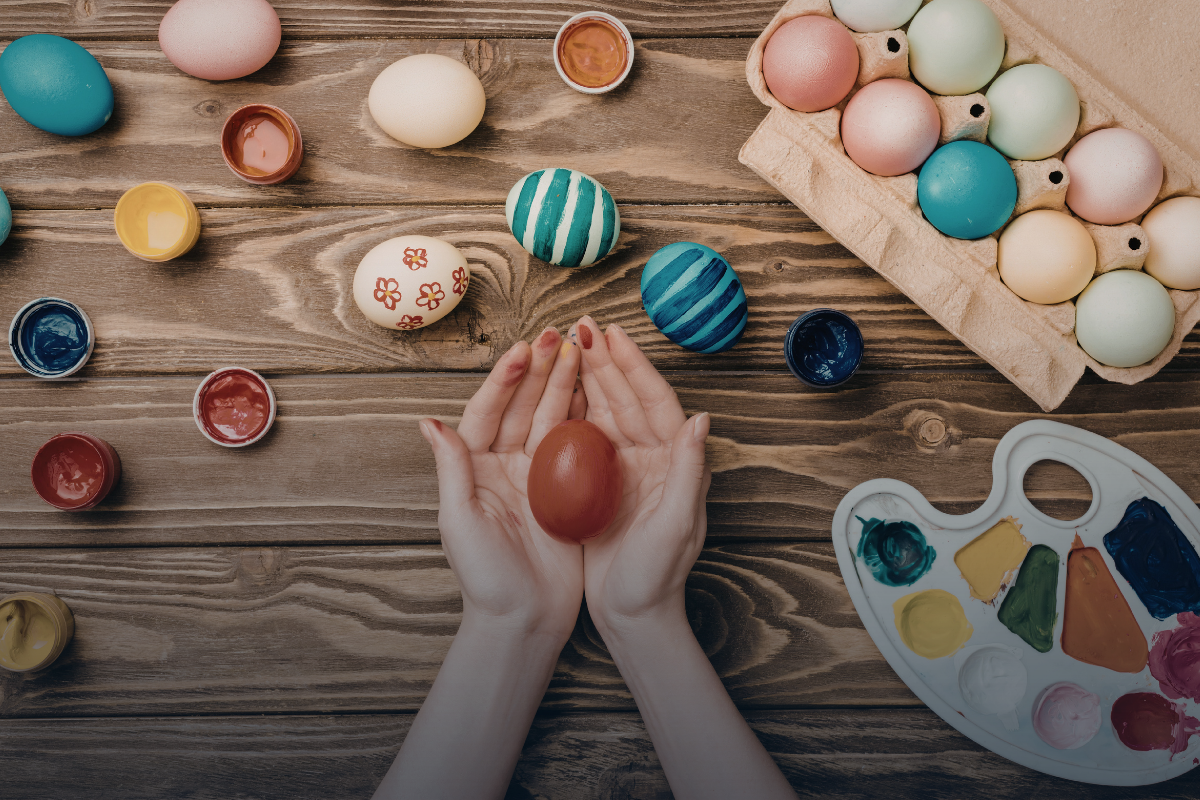
Easter is one of the most important holidays in the Christian calendar, symbolising renewal, hope and new beginnings. While its religious significance remains consistent, the ways in which Easter is celebrated vary widely across cultures. From solemn processions to playful water traditions, each country brings its own unique flavour to this springtime celebration.
Let’s take a journey around the world to explore some of the most fascinating Easter customs.
Spain: grand processions and deep tradition
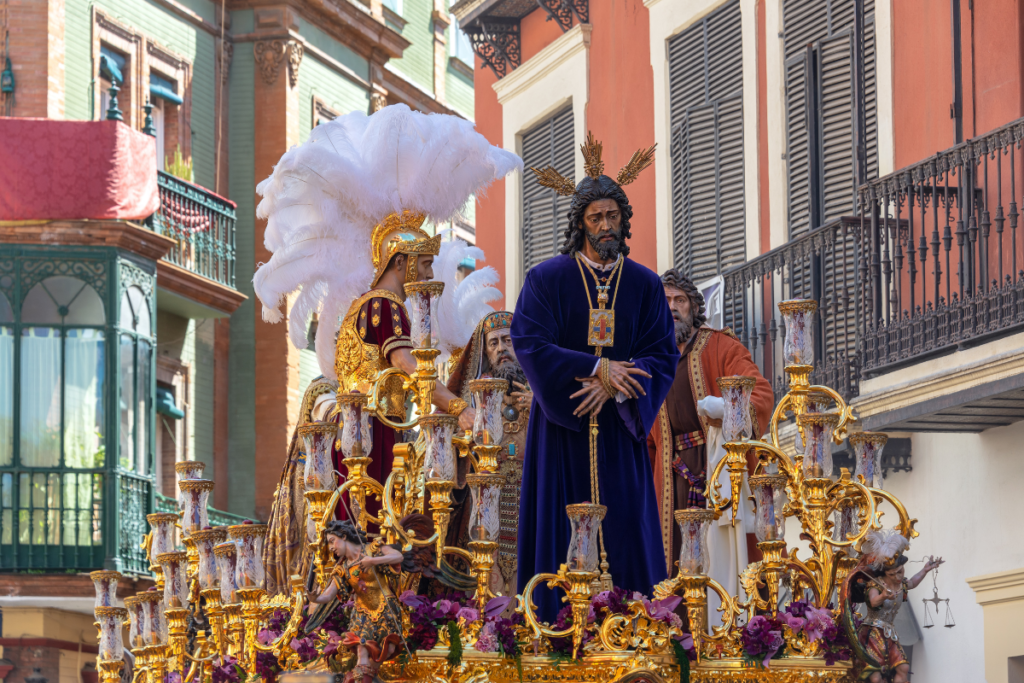
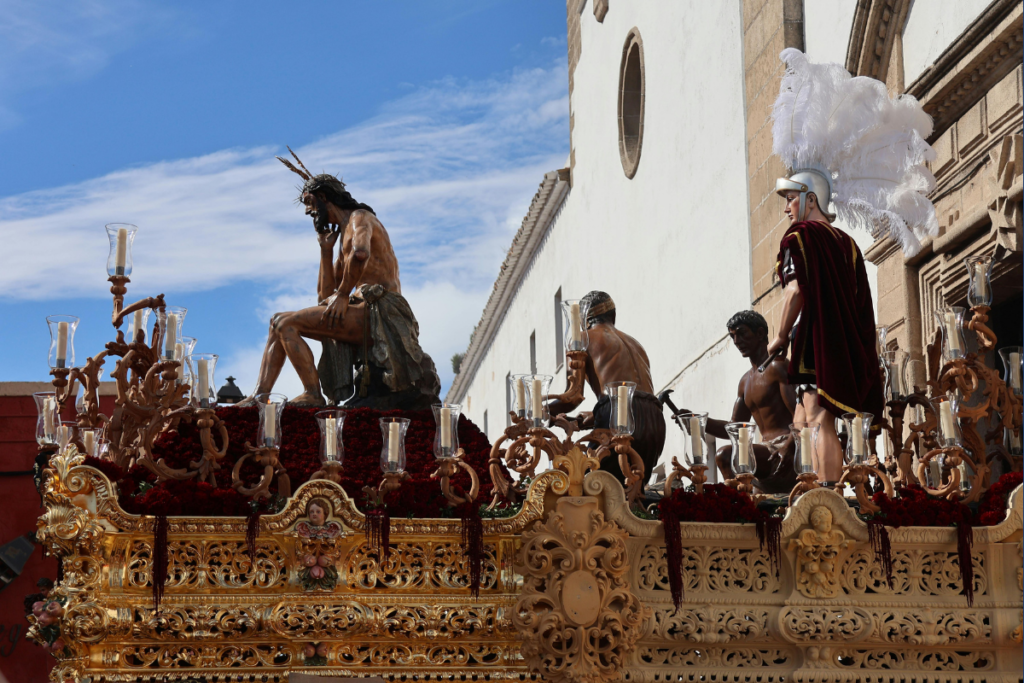
In Spain, Easter – known as Semana Santa (Holy Week) – is observed with elaborate and deeply moving religious processions. Cities such as Seville, Málaga and Valladolid host some of the most famous events.
Brotherhoods and religious fraternities parade through the streets carrying large, ornate floats (pasos) that depict scenes from the Passion of Christ. Participants often wear traditional robes and pointed hoods, creating a solemn and powerful atmosphere.
Hungary: the playful tradition of locsolás
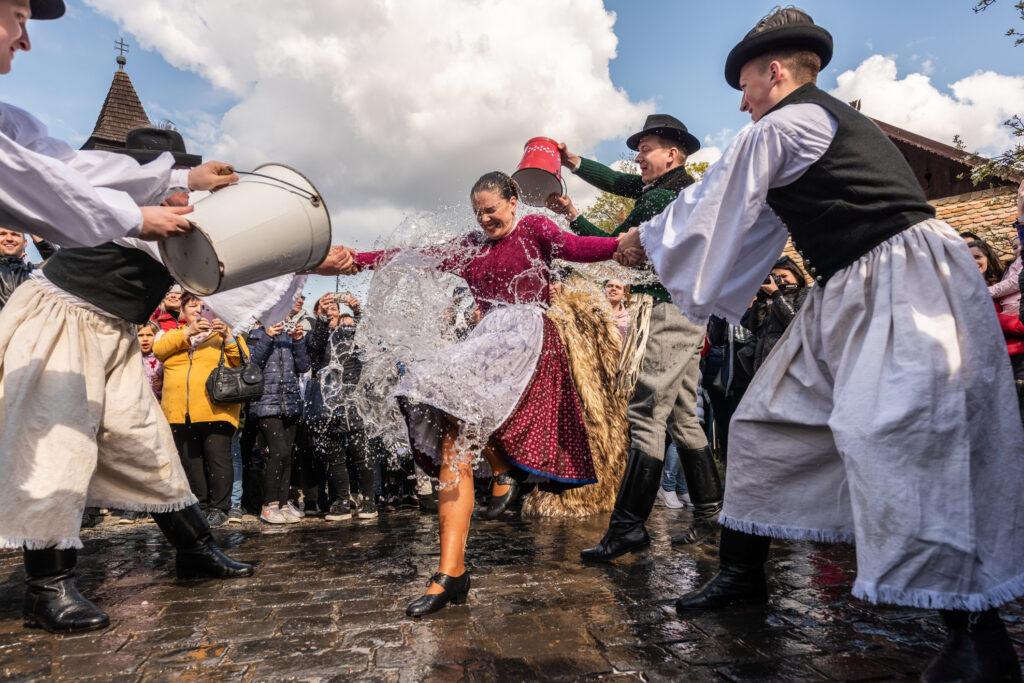
In Hungary, Easter Monday features a unique and lively custom called locsolás (sprinkling). Traditionally, boys visit girls and lightly sprinkle them with water or perfume while reciting a short poem. In return, the girls reward them with painted eggs, sweets or sometimes a small gift.
The origins of this tradition date back to ancient beliefs about water’s purifying and fertility-enhancing properties. Today, it’s a fun and sociable way to celebrate Easter, especially in rural areas where traditions are strongly preserved.
Sweden: Easter witches and sweet treats
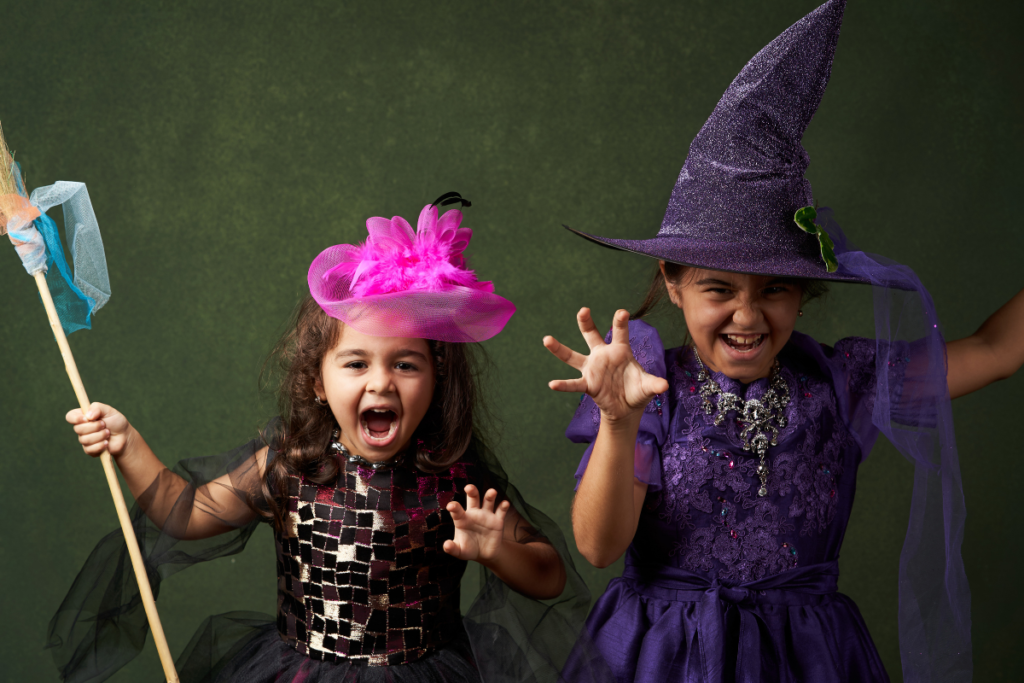
In Sweden, Easter takes on a whimsical twist. Children dress up as “Easter witches” (påskkärringar), with their cheeks painted and wearing colourful scarves. They go door-to-door, exchanging drawings and cards for sweets – similar to Halloween in other countries.
Homes are adorned with feathers, birch twigs and bright colours to welcome spring. Meals also plays a central role, with families enjoying traditional Easter foods such as eggs, herring and lamb.
Australia: the Easter Bilby
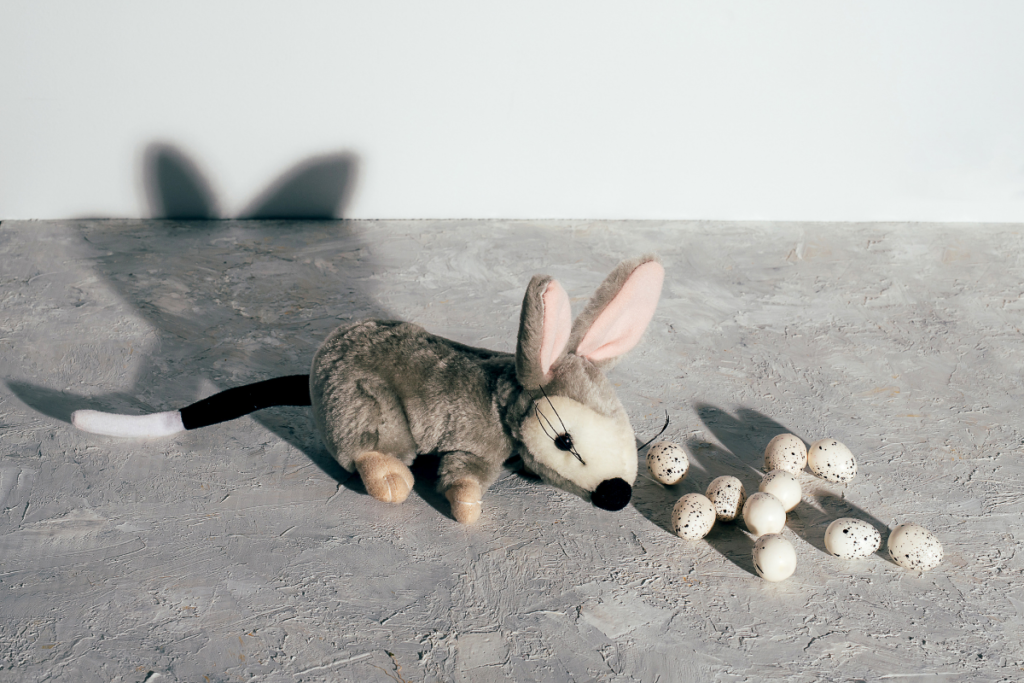
In Australia, the traditional Easter Bunny has a unique rival: the Easter Bilby. This small native marsupial has become a symbol of Easter as part of efforts to raise awareness about wildlife conservation.
Chocolate bilbies are sold instead of – or alongside – chocolate bunnies, combining celebration with an environmental message.
Mexico: festive celebrations and symbolism
In Mexico, Easter (Semana Santa) is celebrated with both solemn and festive elements. Many towns hold processions and reenactments, while there are also lively traditions such as breaking cascarones – hollow eggs filled with confetti – over friends’ heads for good luck.
In some regions, the burning of effigies representing Judas Iscariot symbolises the triumph of good over evil, blending religious symbolism with local creativity.
Ethiopia: a long fast and a joyful feast
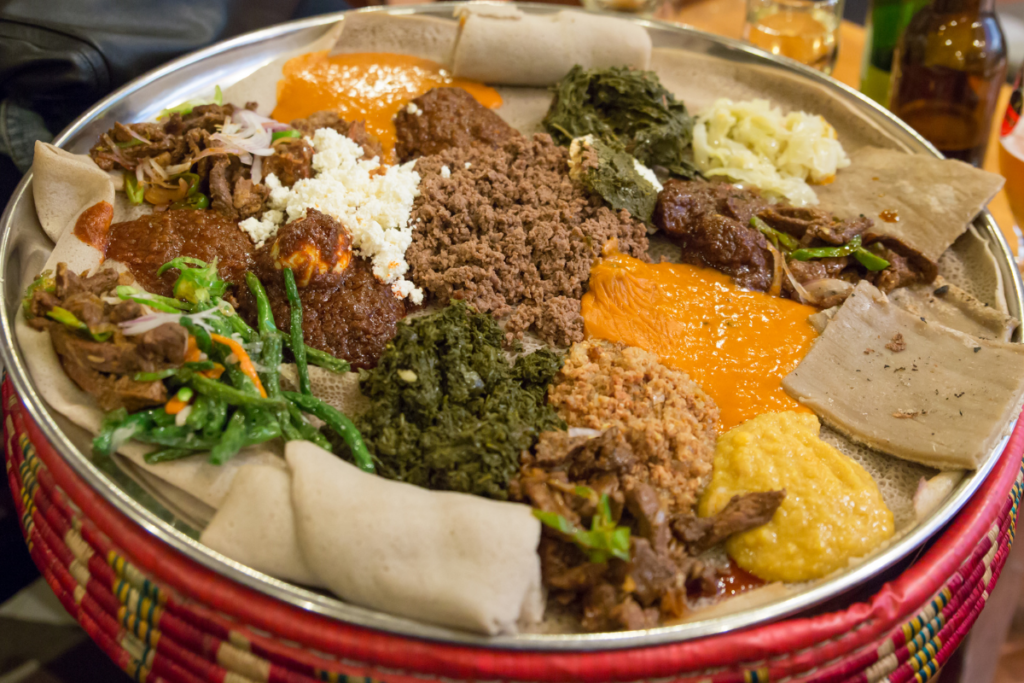
In Ethiopia, Easter – known as Fasika – is one of the most important religious celebrations of the year. It follows a 55-day period of fasting, during which many people abstain from animal products. The fast ends with a large feast on Easter Sunday, featuring traditional dishes shared with family and the wider community.
Church services are central to the celebration, often lasting late into the night and filled with chanting and the glow of candles.
A celebration of diversity and tradition
Easter is a powerful example of how a shared holiday can be expressed in wonderfully diverse ways. Whether with solemn processions, playful traditions or festive gatherings, each culture adds its own meaning and creativity.
Across the world, Easter remains a celebration of renewal – not just in nature, but also in community, tradition and hope.