
Overview
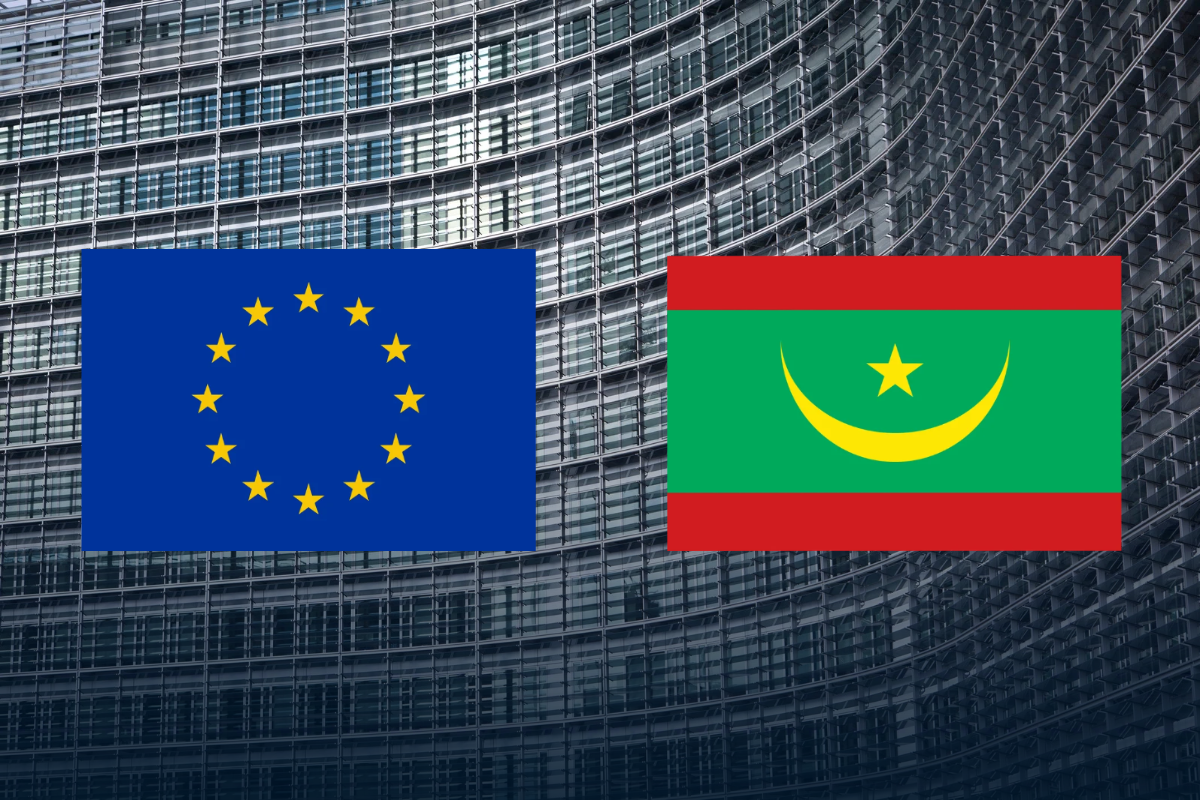
When the Konrad-Adenauer-Stiftung organised a three-day visit to Brussels for a delegation from Mauritania, the stakes were clear from the outset. The delegation’s programme would carry them through a series of meetings with EU Institutions and NATO, centred on the relationship between Europe, the Atlantic Alliance and Mauritania – the kind of agenda where a single misunderstood phrase can shape the tone of a diplomatic relationship.
The challenge
The brief was for accompanying interpretation, not a single conference-room engagement but a rolling, multi-day presence alongside a seven-person delegation as it moved between institutions across the city. The scope of the assignment extended beyond the formal meetings themselves. Interpretation continued into the evening’s working dinner, a social event running alongside the diplomatic programme.
Two interpreters would need to work in tandem, exchanging every 30 to 40 minutes to sustain the concentration that simultaneous interpreting demands over long stretches. English and French formed the core of the assignment, translated in both directions, but the programme also included a single session to be conducted in Spanish – a unique addition that meant the team had to be prepared for a third language before ever setting foot in Brussels.
The solution
Eurideas resolved the language question early. Rather than sourcing a separate Spanish interpreter for a single hour of the programme, the team identified two interpreters already confirmed for the assignment who also worked actively in Spanish – a decision that kept the delegation’s experience consistent, working with the same familiar voices throughout the visit rather than introducing an unfamiliar third party for one session alone.
Preparation began before the delegation’s arrival. The client shared the visit’s programme and supporting documents with the interpreters in advance, giving them time to absorb the terminology surrounding EU–NATO relations and the specifics of the Mauritania relationship. This groundwork mattered: simultaneous interpreting in a diplomatic setting rewards familiarity with the subject as much as fluency in the language.
Logistics were handled with the same attention. The client arranged a transfer service to move the delegation between venues, and the interpreters travelled aboard the same bus, staying with the group rather than meeting them separately at each stop – a detail that kept transitions between meetings smooth and meant no time was lost re-establishing rhythm at a new location. For equipment, the client supplied an interpretation kit for the assignment, and we confirmed in advance that our interpreters were fully comfortable operating it, removing any risk of a technical delay disrupting a session.
The outcome
Over three days and multiple venues across Brussels, the delegation’s meetings with EU Institutions and NATO proceeded exactly as intended: without the delegation needing to think about the language being spoken around them. The single Spanish-language session was absorbed into the same two-interpreter team without disruption.
The assignment is, in many ways, a model of what accompanying interpretation should achieve: language support so well integrated into the delegation’s movements and schedule that it becomes invisible, leaving the substance of the diplomatic exchange to take centre stage.
Planning a multilingual programme?
If your organisation is planning a multi-day visit, delegation or diplomatic programme that spans several languages and venues, Eurideas can help you build an interpreting team suited to the assignment. Contact us to discuss your requirements.